



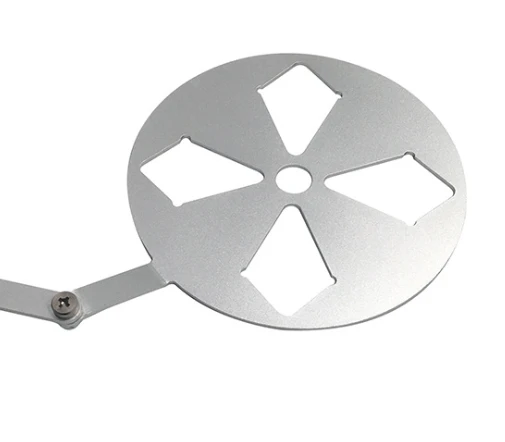
In the process of welding, we often encounter deformation problems, especially the thin sheet metal. We mainly have the following solutions:
(1) Select reasonable weld size:
With the increase of weld size, the deformation will increase, but too small weld size will reduce the bearing capacity of the structure, accelerate the cooling speed of the welded joint, increase the hardness of the heat affected zone, and easily produce cracks and other defects. Therefore, on the premise of meeting the bearing capacity of the structure and ensuring the welding quality, the smallest weld size that may be selected in the process should be selected with the thickness of the plate.
(2) Minimize the number of welds:
Properly select the thickness of the plate and reduce the number of rib plates, so as to reduce the correction amount of welding seam and post-welding deformation. For example, for thin plate structural members, the profiled structure can be used to replace the rib plate structure, so as to reduce the number of welding seam and prevent or reduce post-welding deformation.
(3) Reasonably arrange the weld position:
The bending deformation can be reduced if the weld is symmetrical to the neutral axis of the weldment section or the weld is close to the neutral axis.
(4) Reserved shrinkage allowance:
The longitudinal and transverse shrinkage deformation of weldment after welding can be controlled by estimating the weld shrinkage and reserving shrinkage allowance in advance during design.
(5) Set aside the position of welding fixture:
The position where the welding fixture can be installed is reserved on the structure so that the fixture can be used to control the technical deformation during the welding process.


Hot Tags: thin sheet metal, China thin sheet metal manufacturers, suppliers, factory, steel plate laser cut, laser cut metal plate, laser cut steel plate, steel sheet cutting, Steel Laser Cutting, steel laser cutting service


