



Precision CNC Turning Parts
Precision CNC Turning Parts
Custom CNC turned parts manufactured to customer drawings, CAD models, or samples for prototypes, small batches, and production orders.
CNC turning is ideally suited for components with cylindrical or rotational geometry, including shafts, pins, bushings, sleeves, spacers, threaded components, fittings, and other precision mechanical parts.
-
![Precision CNC Turned Metal Pipe Connector]() Precision CNC Turned Metal Pipe ConnectorPrecision CNC turned metal pipe connectors are custom-machined components engineered to connect pipes, tubes, hoses, valves, manifolds, and fluid-handling equipment.read more
Precision CNC Turned Metal Pipe ConnectorPrecision CNC turned metal pipe connectors are custom-machined components engineered to connect pipes, tubes, hoses, valves, manifolds, and fluid-handling equipment.read more -
![High Precision CNC Turned Sensor Housing]() High Precision CNC Turned Sensor HousingStandard and custom CNC turned housings engineered for sensor OEMs, system integrators, and industrial automation equipment builders. We deliver micro-tolerance internal bores, precision threads,...read more
High Precision CNC Turned Sensor HousingStandard and custom CNC turned housings engineered for sensor OEMs, system integrators, and industrial automation equipment builders. We deliver micro-tolerance internal bores, precision threads,...read more -
![Custom CNC Turning Steel Pin And Fastener]() Custom CNC Turning Steel Pin And FastenerCustom CNC turned steel pins and fasteners made to your drawing, CAD model, sample, or specified dimensions. These parts are ideal for positioning, alignment, fastening, pivoting, and mechanical...read more
Custom CNC Turning Steel Pin And FastenerCustom CNC turned steel pins and fasteners made to your drawing, CAD model, sample, or specified dimensions. These parts are ideal for positioning, alignment, fastening, pivoting, and mechanical...read more -
![Precision Aluminum CNC Lathe Turned Bushing]() Precision Aluminum CNC Lathe Turned BushingWe manufacture custom aluminum CNC turned bushings strictly according to your 2D engineering drawings, 3D CAD files, or approved physical samples.read more
Precision Aluminum CNC Lathe Turned BushingWe manufacture custom aluminum CNC turned bushings strictly according to your 2D engineering drawings, 3D CAD files, or approved physical samples.read more -
![Custom Brass CNC Turned Threaded Fitting]() Custom Brass CNC Turned Threaded FittingCustom brass CNC turned threaded fittings manufactured to your exact engineering drawings, thread specifications, and dimensional requirements.read more
Custom Brass CNC Turned Threaded FittingCustom brass CNC turned threaded fittings manufactured to your exact engineering drawings, thread specifications, and dimensional requirements.read more -
![Precision Stainless Steel CNC Turned Shaft]() Precision Stainless Steel CNC Turned ShaftCustom stainless steel CNC turned shafts manufactured from engineering drawings, 3D CAD files, or approved samples for applications requiring controlled diameters, accurate fits, stable rotation,...read more
Precision Stainless Steel CNC Turned ShaftCustom stainless steel CNC turned shafts manufactured from engineering drawings, 3D CAD files, or approved samples for applications requiring controlled diameters, accurate fits, stable rotation,...read more


Equipment Capacity
|
Feature / Parameter |
Capability / Limit |
|
Maximum Part Diameter |
431 mm |
|
Maximum Part Length |
990 mm |
|
Maximum Swing Over Carriage |
350 mm |
|
Maximum Spindle Through-Hole |
40 mm |
General Machining Tolerances
|
Size Range |
General Tolerance |
|
0.5 mm to 3 mm |
± 0.05 mm |
|
Over 3 mm to 6 mm |
± 0.05 mm |
|
Over 6 mm to 30 mm |
± 0.10 mm |
|
Over 30 mm to 120 mm |
± 0.15 mm |
|
Over 120 mm to 400 mm |
± 0.20 mm |
|
Over 400 mm to 1000 mm |
± 0.30 mm |
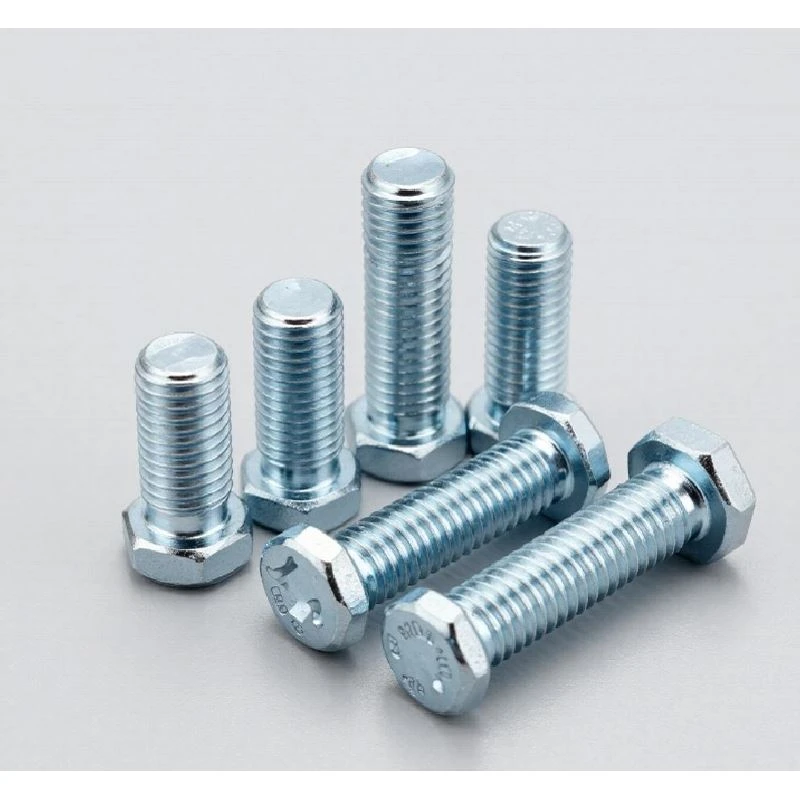
Outside Diameter (OD) Turning: External cylindrical turning for high-precision mating features, bearing seats, and journals.
Internal Boring & Drilling: Precision inner diameter (ID) machining for mating shafts, bushings, and seal housings.
Precision Threading: Internal and external threads cut to global standards (Metric, UN, NPT, BSPP) with controlled pitch and depth.
Grooving & Facing: Internal/external grooves for retaining rings and O-rings, alongside face turning for controlled seating lengths.
Secondary Milling & Drilling: Live-tooling CNC turning allows integration of flats, keyways, cross-holes, and slots in a single setup.
Material Selection Guide
|
Material Family |
Common Grades |
Key Benefits & Applications |
|
Aluminum |
6061-T6, 7075-T6, 2024 |
Lightweight, high strength-to-weight ratio, excellent machinability. Used for spacers, sleeves, and brackets. |
|
Stainless Steel |
304, 316L, 17-4PH, 303 |
Excellent corrosion resistance and durability. Used for marine fittings, shafts, valve components, and medical pins. |
|
Carbon Steel |
1045, 12L14 |
High structural strength and cost-efficiency. Ideal for industrial shafts, pins, and heavy-duty mechanical parts. |
|
Alloy Steel |
4140, 8620 |
High toughness, wear resistance, and heat treatability. Used for loaded drive shafts and gears. |
|
Brass & Copper |
C36000, C11000 |
Excellent conductivity, low friction, and natural corrosion resistance. Used for electrical terminals, valves, and bushings. |
|
Engineering Plastics |
POM (Delrin), PEEK, Nylon |
Low weight, chemical resistance, electrical insulation, and low friction. Used for wear strips, guides, and insulating spacers. |
Surface Finishing & Post-Processing Options
|
Finish Type |
Available Methods |
Primary Purpose |
|
Mechanical |
Vibratory Tumbling, Sand Blasting, Polishing, Deburring |
Burr removal, surface smoothing, matte visual finish |
|
Chemical / Plating |
Anodizing (Clear / Color / Hardcoat), Passivation, Zinc Plating, Electroless Nickel |
Corrosion prevention, surface hardness, electrical insulation |
|
Coating |
Powder Coating, E-Coating, Black Oxide |
Decorative color coating, corrosion and wear protection |
Quality Assurance & Quality Control
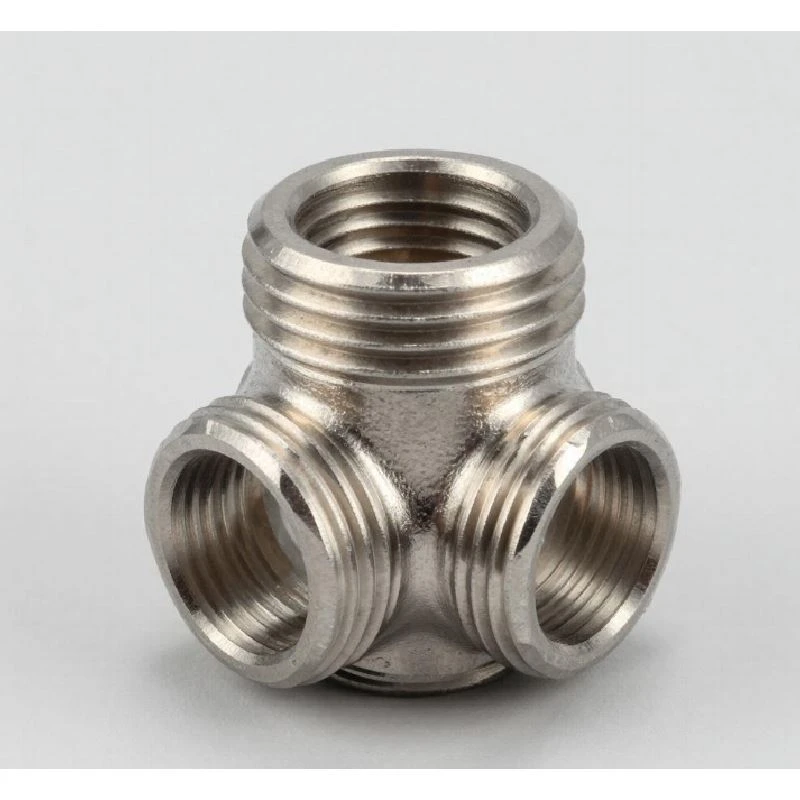
Critical Feature Tracking
Specialized measurement of high-precision tolerances (bearing seating, thread pitch, runout).
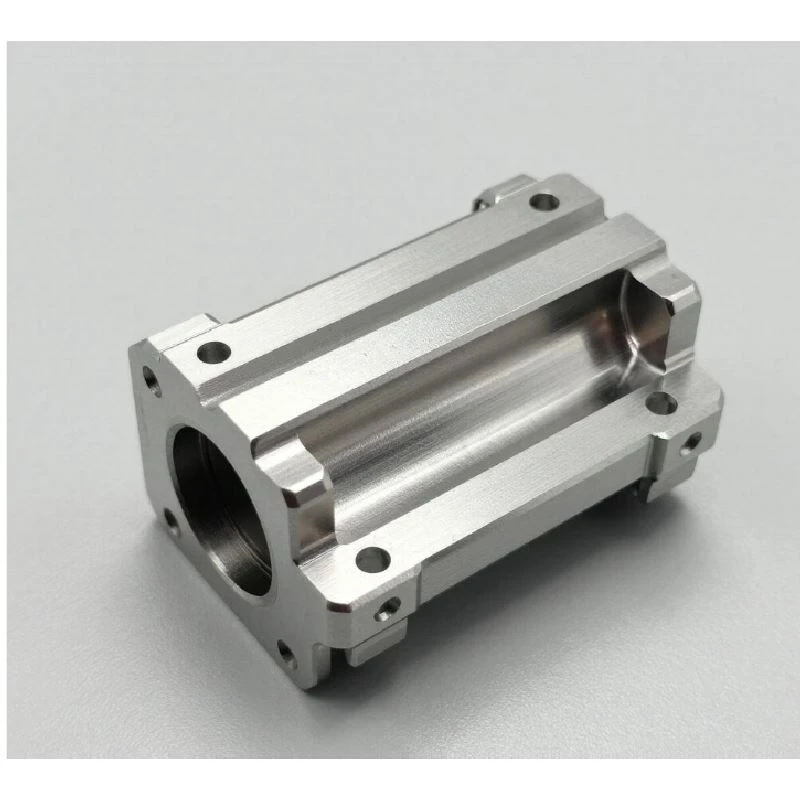
First-Article & In-Process Inspection
Dimensional verification before, during, and after full production batches.
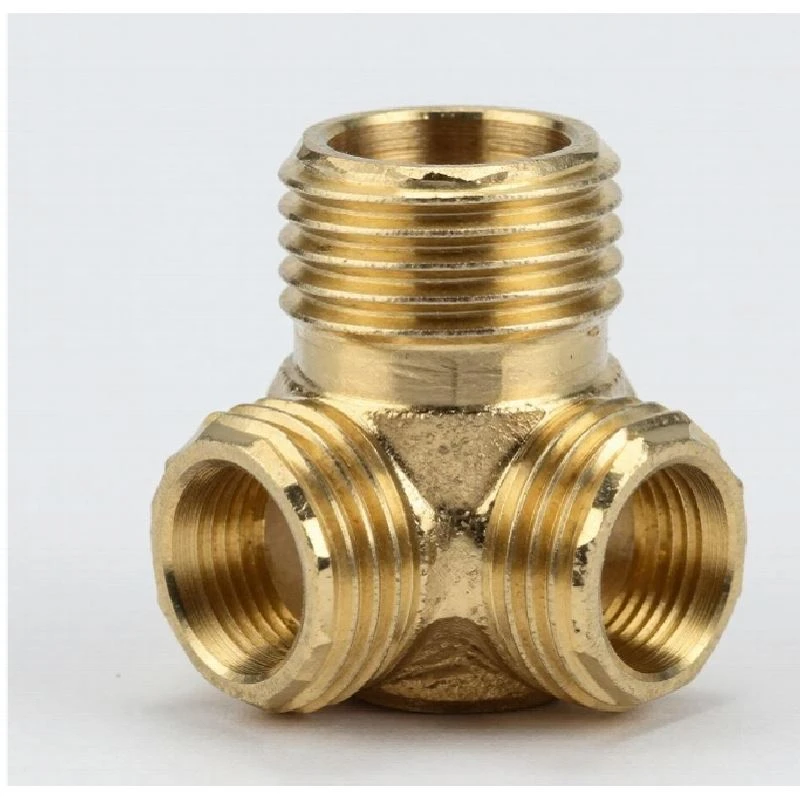
Documentation Available
CMM Reports, Material Test Reports (MTC), and Certificate of Compliance (CoC).
FAQ
We're well-known as one of the leading precision cnc turning parts manufacturers and suppliers in China. If you are going to wholesale customized precision cnc turning parts at competitive price, welcome to get more information from our factory.
Stainless CNC Turning Ring